Software Development Engineer Intern
Migrating Dynamic Configurations to AWS AppConfig
Java | Typescript | IAM | CDK
Link: AWS AppConfigOverview
Introduction
During my internship at Amazon Web Services in New York, I worked on configuration management and deployment pipelines for internal AWS services. My project focused on building scalable, cost-efficient systems to automate configuration rollouts while ensuring accuracy and reliability across distributed environments.
Solution
I developed infrastructure-as-code solutions with AWS CDK, automated CI/CD workflows with CodePipeline, and integrated AppConfig caching to reduce operational costs. These changes enabled teams to deploy configurations more safely while reducing reliance on costly API calls.
Deliverable
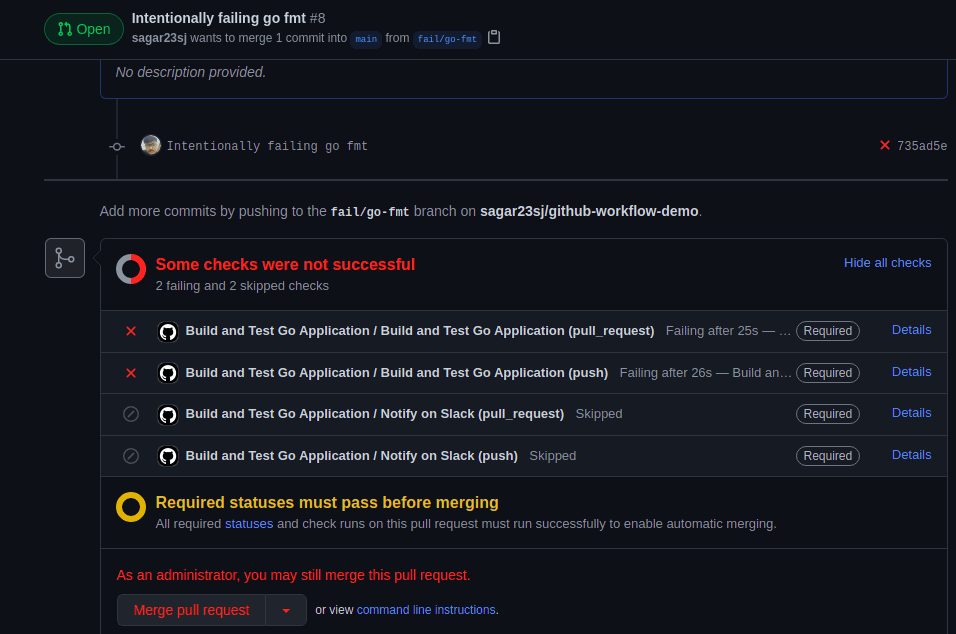
The deliverables were adopted by internal AWS teams and demonstrated to senior engineers as part of the final internship presentation.
Technical Features
CI/CD Pipeline Automation
Migrated 54 service principal allow-lists and implemented an AWS CDK + CodePipeline solution to track configuration changes and roll out updates gradually, reducing risks of large-scale failures.
AppConfig Caching Integration
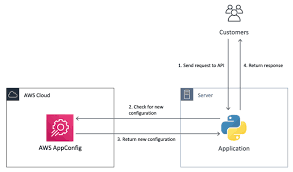
Integrated the AWS AppConfig Caching Client, reducing API call costs by 70%. Used AWS Lambda extensions as a ground truth validation system to ensure configuration consistency.
IAM Roles & Storage Optimization
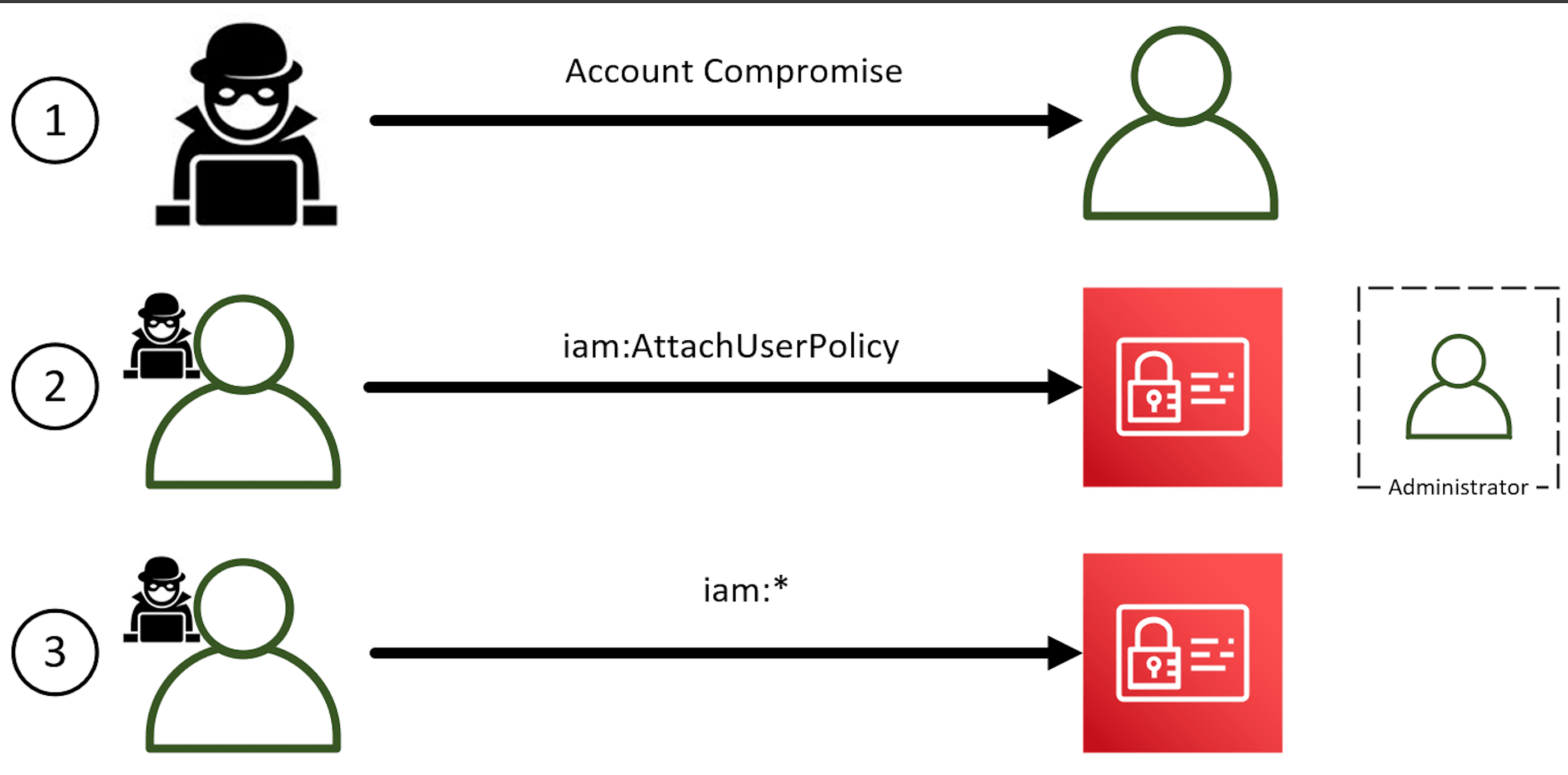
Implemented IAM roles and evaluated trade-offs between S3 pay-per-use storage and AppConfig hosted systems, ultimately optimizing for both cost efficiency and reliability of configuration storage.
Takeaways...
My AWS internship highlighted the importance of building cost-efficient, scalable, and reliable cloud systems. I learned:
This experience deepened my understanding of cloud infrastructure and strengthened my ability to design systems with both performance and cost-efficiency in mind.